 CN
CN
 EN
EN
 DE
DE
 ES
ES
 FR
FR
 IT
IT
 PT
PT
 JA
JA
 KO
KO
 AR
AR


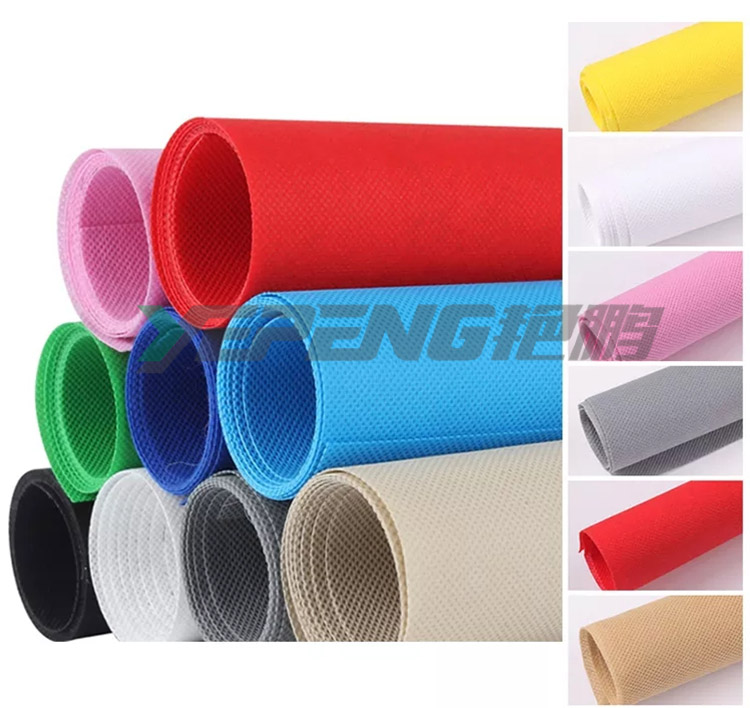
PLA and PBAT are the mainstream degradable plastic materials at present. Most of the degradable shopping bags on the market are made of PLA and PBAT, which have poor mechanical properties. The single production cost is more than 10 times that of ordinary disposable plastic bags, which is 0.5-1.2 yuan. Due to the early development, mature production technology and complete domestic industrial chain, the production cost of polypropylene non-woven bags is equivalent to that of degradable shopping bags, and the production cost of some non-woven bags with fillers is even lower than that of degradable shopping bags.
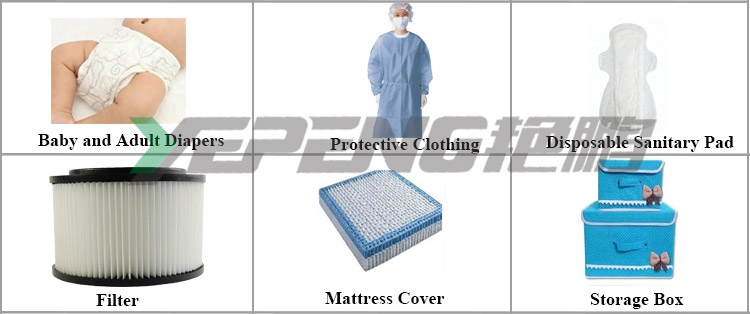
At present, the degradable shopping bags are not effective due to their poor mechanical properties. Polypropylene non-woven bag has a wide range of applications due to its good mechanical properties, obvious strength and bearing capacity.
Due to cost constraints and environmental protection requirements, most of the biodegradable shopping bags are thin and soft, with poor mechanical properties. They can not be reused more than once, so they are not easy to reuse. They also face many problems in the recycling process. The degradation conditions of degradable plastics are also harsh, and they need to be composted for half a year It can be degraded into carbon dioxide, water and minerals within 12 months at most. Relatively speaking, the non-woven bag can be reused more than 10 times under normal conditions, which is easy to be recycled and reused. The environmental protection and economy of the non-woven bag can be improved by adding biodegradable materials, calcium carbonate, talc and other inorganic substances.
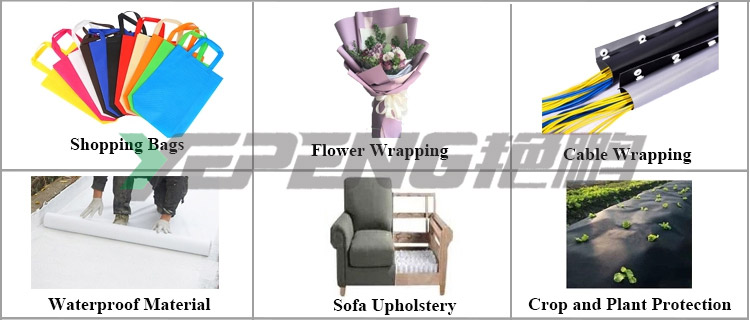
From the aspects of cost, performance, environmental protection and recycling, it is not a simple thing to rely on the current degradable plastics to solve the problem of white pollution. PBAT and PLA are faced with the problems of high cost and can not be degraded in the natural environment (they need to be recycled and degraded under specific conditions). At present, traditional plastics can not be replaced, and degradable plastics are difficult to solve the urgent need. It is more important to reuse, recycle and sort traditional plastics scientifically and reasonably, and develop new degradation technology. The domestic polypropylene non-woven bag production technology is mature, and the production capacity is sufficient. Under the "plastic ban order", non-woven bag is undoubtedly a very good choice to replace the traditional ordinary plastic bag.
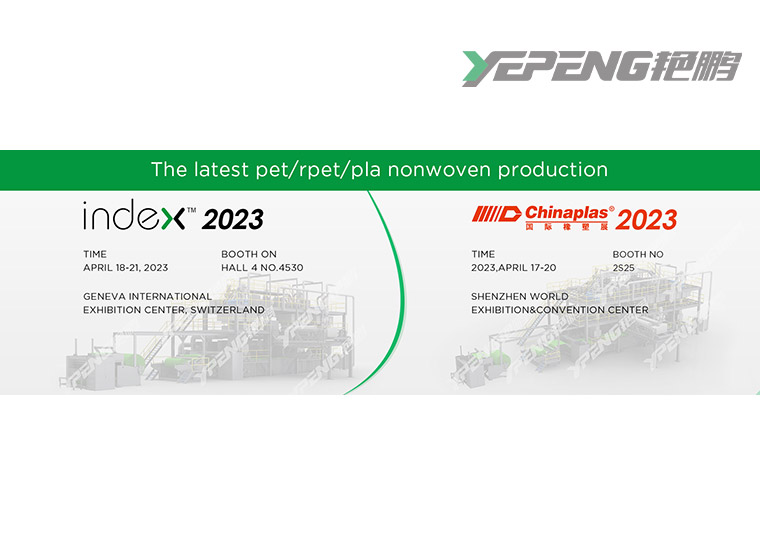
In these two exhibition,we are happy to provide you a turn key solution of nonwoven fabric making project. All the key figures involved in the dynamic field of nonwovens All the geographical regions together in one site
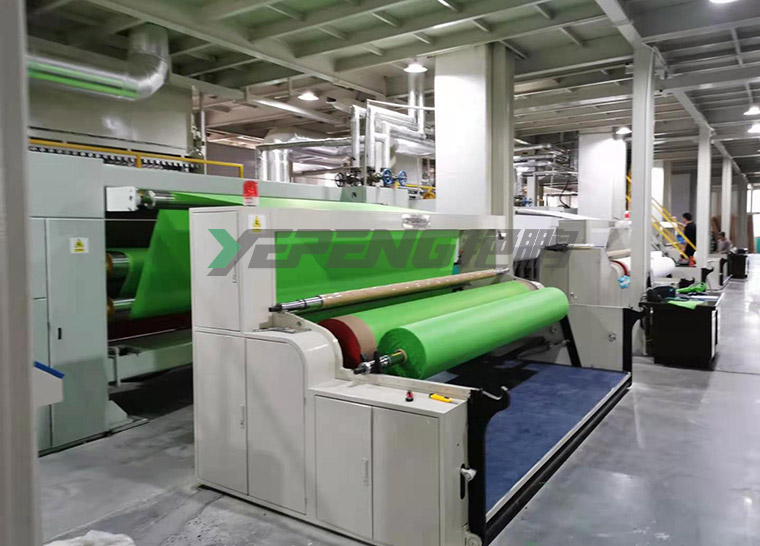
The square meter quality, strength, elongation, hydrostatic pressure, air permeability and width in the technical requirements are factory inspection items The products shall be inspected by the inspection department of the manufacturer and attached with the product certificate before leaving the factory.
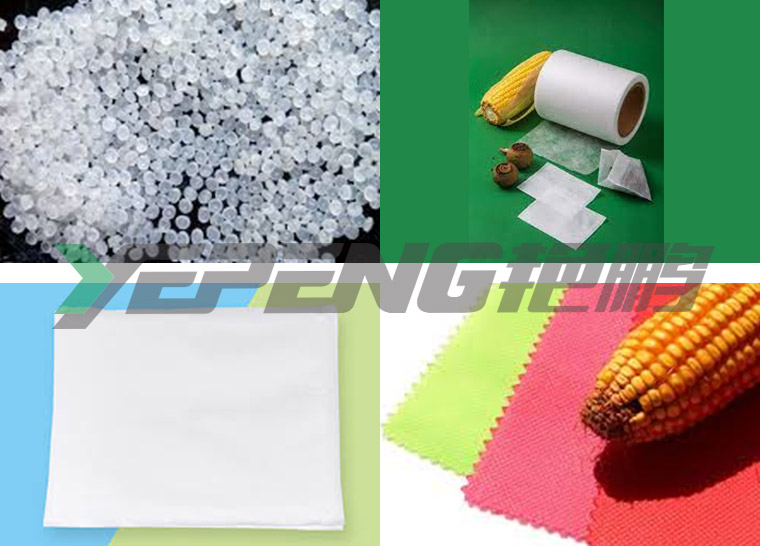
Polylactide, polylactic acid, generally shortened to PLA. PLA biodegradable materials refer to a class of natural microorganisms such as bacteria, molds (fungi) and algae caused by the action of degradation materials.


